 Join The Club





If you don't pay close attention to game credits you may not know the name Alexander Brandon, but you've almost certainly heard his work. The composer of Deus Ex's soundtrack has some 30 years of games to his name as a musician (Unreal, Stormgate), audio director (Wasteland 3, Neverwinter Nights 2), and even voice actor—who could forget his performances as "Flayed Goat" in Pagan Online or "Additional Mudokon Voices" in Oddworld: Soulstorm?
Okay, those last two aren't his most prestigious credits—but the point is, Brandon's list of contributions to game audio run the gamut from legendary to humble, from in-studio director gigs to the sorts of small behind-the-scenes contributions every game needs to get out the door. It's the kind of resume that seems like it'd guarantee you a job. Unless the state of layoffs and hiring in the games industry was, like, terrible, or something.
Article continues below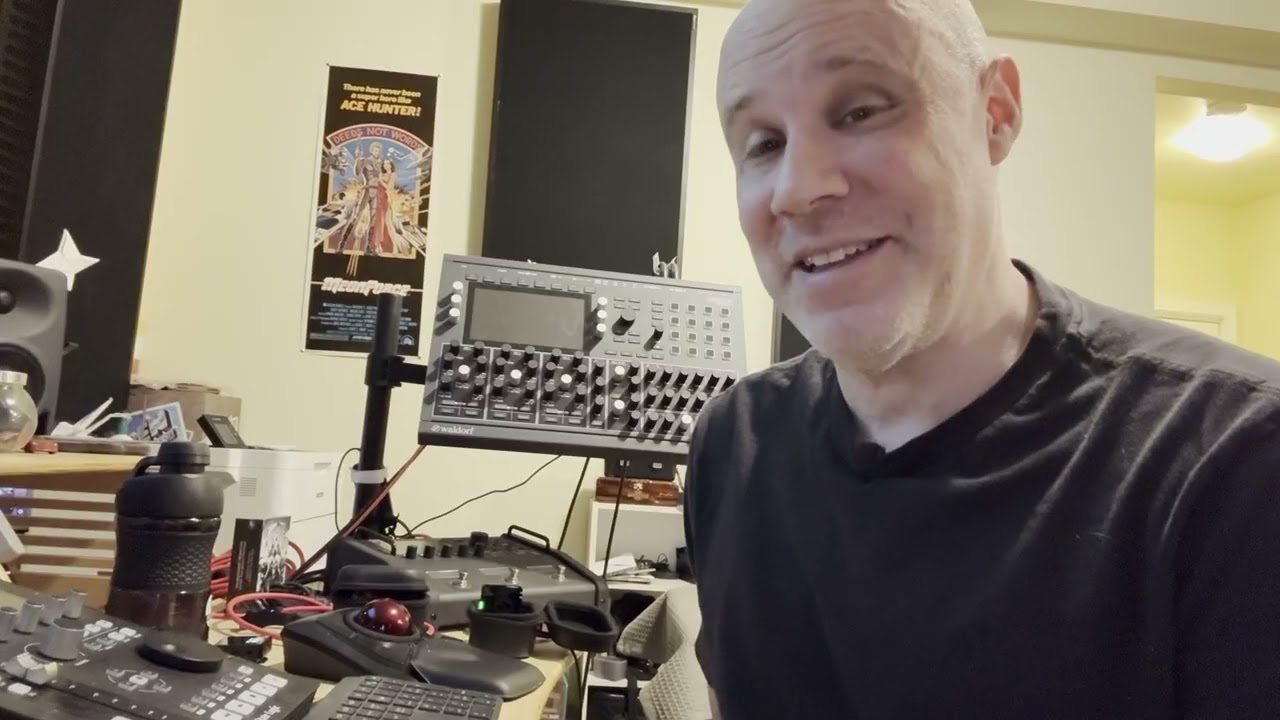
-

-
-



While AI companies and boosters tend to talk in grand terms about the technology's limitless potential, Brandon gave me a more grounded perspective on how he sees some AI-driven tools benefitting development. He's found some success in using AI tools to cut out a lot of time searching for documentation and fiddling with the way audio middleware interacts with a game engine like Unreal. Having the AI integration help place a sound object in the game world saved time and let him focus more on the creative side.
But that's not exactly the pie-in-the-sky vision AI companies are pushing, which can be particularly grating when you're among the hundreds of thousands out of work seeing tech CEOs talk about all the jobs it's about to replace.
"There are CEOs saying nobody's going to have a job in, like, two seconds, and we're all going to be in a utopia," Brandon said. "Money's just going to flow into our mailboxes and we're going to turn into Wall-E or whatever. I'm just like, stop the techbro crap—I think people are sick of that.
"People drink all of this Kool-Aid and are like 'if we don't use this language, we are behind.' We need to be behind. We need to acknowledge our limitations, and we need to be able to say, as humans, 'we can't keep pushing ourselves through this shitty economy and shitty situation.' Not to soapbox too much."

You must confirm your public display name before commenting
Please logout and then login again, you will then be prompted to enter your display name.
Please login or signup to comment
Please wait...