Overview: Texas Hold'em Malaysia Explained
Welcome, Malaysian poker enthusiasts! Texas Hold'em isn't just a card game; it's a dynamic battle of wits, strategy, and nerve. From the bustling online tables to the occasional friendly home game across Kuala Lumpur, Penang, or Johor Bahru, its popularity in Malaysia has surged, largely due to its accessibility and the sheer depth of strategic play it offers. Unlike many casino games where you play directly against the house, Texas Hold'em is fundamentally a player-vs-player game, making skill a paramount factor in your long-term success. This comprehensive guide, crafted by an experienced player who’s spent countless hours at virtual and physical tables, aims to equip you with the knowledge and strategies to not just play, but to truly excel at Texas Hold'em in the Malaysian context. We'll dive deep into the rules, advanced strategies, odds, and practical tips that will transform your game from speculative to sophisticated. Whether you're a beginner looking to understand the basics or an intermediate player aiming to refine your approach, this guide is your definitive resource for mastering Texas Hold'em in Malaysia for 2026 and beyond. Get ready to elevate your game and outsmart your opponents!
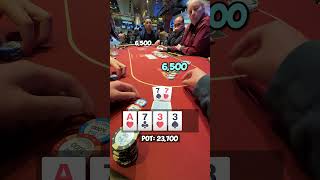
In Malaysia, where land-based casino options are limited (primarily to Genting Highlands for specific games), online poker has become the dominant platform for Texas Hold'em. This means understanding the nuances of online play, including typical rake structures and table dynamics, is crucial. My own journey through various online poker rooms has shown me that while the core game remains constant, the player pool and typical strategies can vary significantly from region to region. This guide is tailored to help you navigate these waters effectively, focusing on practical advice that translates directly to higher win rates.
Rules & Setup: The Foundation of Texas Hold'em
Understanding the rules is the first step to mastering Texas Hold'em. The game is played with a standard 52-card deck and involves a dealer, small blind, and big blind positions that rotate clockwise after each hand. Here's a breakdown of the setup and core gameplay:
The Blinds
Before any cards are dealt, two players to the left of the dealer must place forced bets called 'blinds'. The player immediately to the left of the dealer posts the 'small blind', and the player to their left posts the 'big blind'. The big blind is typically twice the size of the small blind, and these bets ensure there's always money in the pot to play for.
The Deal
Each player is dealt two private cards, known as 'hole cards'. These cards are unique to you and remain hidden from your opponents until the showdown.
Pre-Flop Betting Round
The first betting round begins with the player to the left of the big blind. This player has three options: 'call' (match the big blind), 'raise' (increase the bet), or 'fold' (give up their hand and their blinds). Betting continues clockwise around the table until all active players have contributed an equal amount to the pot, or folded.
The Flop
After the pre-flop betting, three 'community cards' are dealt face-up in the center of the table. These are called the 'flop' and are shared by all active players. Another betting round ensues, starting with the first active player to the left of the dealer button.
The Turn
Following the flop betting, a fourth community card, known as the 'turn', is dealt face-up. This is followed by another betting round, again starting with the first active player left of the dealer.
The River
The fifth and final community card, the 'river', is dealt face-up after the turn betting round. This completes the five community cards available to all players. A final betting round takes place.
The Showdown
If more than one player remains after the final betting round, the 'showdown' occurs. Players reveal their hole cards, and the player with the best five-card poker hand using any combination of their two hole cards and the five community cards wins the pot. The ranking of poker hands, from highest to lowest, is: Royal Flush, Straight Flush, Four of a Kind, Full House, Flush, Straight, Three of a Kind, Two Pair, One Pair, High Card.
Winning the Pot
The player with the best five-card hand wins the entire pot. In the event of a tie, the pot is split evenly among the tying players. The game then moves to the next hand, with the dealer button, small blind, and big blind positions rotating one spot clockwise.
Texas Hold'em Strategy Guide: Dominating the Tables
True success in Texas Hold'em comes from a deep understanding of strategy, not just luck. This section will guide you through the essential strategic principles that differentiate a winning player from a losing one. My experience, honed over years of playing both live and online, has taught me that consistent application of these principles is key.
1. Positional Play: Your Most Powerful Weapon
Position is king in poker. Being in 'late position' (closer to the dealer button) gives you a significant advantage because you get to act after most of your opponents have already made their decisions. This allows you to gather more information, make more informed choices, and exert more pressure. Conversely, 'early position' forces you to act with less information, requiring a tighter starting hand selection. Always consider your position when deciding whether to play a hand.
2. Starting Hand Selection: Quality Over Quantity
One of the biggest leaks for new players is playing too many hands. You don't need to play every hand to win. Focus on strong starting hands (premium pairs like AA, KK, QQ, JJ; strong suited connectors like AKs, AQs, KQs; and strong broadway cards) and adjust your range based on your position. In early position, play a very tight range. In late position, you can open up your range slightly to steal blinds or put pressure on weaker players.
3. Understanding Pot Odds & Implied Odds
- Pot Odds: This is a crucial concept. It's the ratio of the current pot size to the cost of your call. If the pot is RM100 and it costs you RM10 to call, your pot odds are 10:1. You need to calculate if your hand has enough equity (chance of winning) to justify the call. If you have a 15% chance to hit your hand, but the pot odds are 10:1 (meaning you'd win 10 times your bet), it's a profitable call in the long run.
- Implied Odds: This refers to the money you expect to win if you hit your hand on later streets (turn or river). If you're drawing to a flush and the current pot odds aren't quite enough, but you're confident your opponent will bet heavily if you hit, you have good implied odds. However, don't rely solely on implied odds against tight players who might fold, or against short stacks who can't pay you off much.
4. Betting Strategies: The Art of Aggression
- Continuation Betting (C-Bet): If you raised pre-flop, you're expected to have a strong hand. A continuation bet on the flop, even if you didn't hit, maintains that image and often forces opponents to fold. Use C-bets judiciously; don't just fire blindly.
- Value Betting: When you have a strong hand, bet to extract maximum value from your opponents. Size your bets to what you think your opponent can realistically call.
- Bluffing: Bluffing is an essential part of poker, but it must be used sparingly and intelligently. Bluff only when it makes sense: against a small number of opponents, on boards that don't hit many hands, or when you have a credible story (e.g., representing a strong hand based on your pre-flop action).
- Check-Raising: A powerful move where you check (pass the action) hoping an opponent will bet, and then you raise their bet. This shows immense strength and can build a big pot or force a fold.
5. Reading Opponents: Tells & Patterns
Pay attention to your opponents' betting patterns, timing tells, and physical tells (in live games). Do they bet big with strong hands and small with weak ones? Do they take a long time to act when they're bluffing, or when they have a tough decision? Observing these patterns will give you invaluable insights into their hand strength.
6. Bankroll Management: Play Within Your Means
This is perhaps the most overlooked but critical strategy, especially for Malaysian players who might be new to consistent poker play. Your bankroll is the money you've set aside specifically for poker. Never play with money you can't afford to lose. Always play at stakes where your bankroll can withstand the natural variance of the game. A good rule of thumb for cash games is to have at least 20-30 buy-ins for the stakes you're playing. For tournaments, you might need 50-100 buy-ins. Responsible bankroll management ensures you can survive downswings and continue to play and improve.
7. Adaptability: Adjusting Your Game
No single strategy works against all opponents. You must be able to adapt. If your table is full of tight players, you can bluff more. If they're loose and aggressive, tighten up and wait for premium hands. Observe, analyze, and adjust your game constantly.
8. Tilt Control: Keeping Your Emotions in Check
Tilt is the enemy of every poker player. It's when frustration or anger clouds your judgment, leading to poor decisions and reckless play. Learn to recognize when you're tilting and take a break. A short walk, a glass of water, or even just stepping away from the screen for a few minutes can save you from losing your entire stack.
By consistently applying these advanced strategies, from understanding positional advantage to meticulous bankroll management, you'll significantly improve your chances of long-term success in Texas Hold'em Malaysia. Remember, poker is a journey of continuous learning and refinement. The more you play and analyze your game, the better you'll become.
Odds & Statistics: The Numbers Behind Texas Hold'em
Understanding the probabilities and statistics in Texas Hold'em is fundamental to making informed decisions and calculating your pot equity. While you don't need to be a math whiz to play, a basic grasp of the numbers can dramatically improve your strategic choices. According to various academic studies on game theory and poker probabilities, these figures remain constant across all environments, including Texas Hold'em Malaysia online tables.
Key Probabilities (Approximate)
| Event | Probability (Pre-Flop) | Probability (Flop) |
|---|---|---|
| Being dealt Pocket Aces (AA) | 1 in 221 (0.45%) | N/A |
| Being dealt any Pocket Pair | 1 in 17 (5.88%) | N/A |
| Flopping a Set (with a pocket pair) | 1 in 8 (12%) | N/A |
| Flopping a Flush (with two suited cards) | 1 in 118 (0.84%) | 1 in 8.5 (11.8%) |
| Flopping a Straight (with suited connectors) | 1 in 76 (1.3%) | 1 in 77 (1.3%) |
| Hitting a Flush by River (with two suited cards on flop) | 35% | N/A |
| Hitting a Straight by River (with open-ended straight draw on flop) | 31.5% | N/A |
Calculating Pot Odds
As discussed in the strategy section, calculating pot odds is vital. It's the ratio of the total money in the pot to the cost of your call. For example, if the pot is RM150 and your opponent bets RM50, the total pot becomes RM200. It costs you RM50 to call, so your pot odds are 200:50, or 4:1. This means you need to win the hand at least 1 out of 5 times (20% equity) to break even on this call in the long run.
Outs and Equity
'Outs' are the cards remaining in the deck that will improve your hand to a likely winner. If you have a flush draw on the flop (e.g., you have two spades, and there are two spades on the board, needing one more spade), there are 9 remaining spades in the 47 unseen cards (52 total - 2 hole cards - 3 flop cards = 47 unseen). Each 'out' gives you roughly 2% chance to hit on the next street (turn or river). So, 9 outs x 2% = 18% chance on the turn, and roughly 9 outs x 4% = 36% chance by the river (a common simplification known as the 'Rule of 2 and 4').
The House Edge (Rake) in Malaysia
In Texas Hold'em, the 'house edge' is not directly against players in the same way as blackjack or roulette. Instead, the house (casino or online platform) takes a small percentage of each pot, known as the 'rake', or charges a tournament entry fee. In Malaysia, particularly on online poker sites catering to local players, rake typically ranges from 2.5% to 5% of the pot, often capped at a maximum amount (e.g., RM10-RM20). Understanding the rake structure is crucial because it directly impacts your profitability. High rake can eat into your winnings, especially at lower stakes. Always look for tables with reasonable rake caps. This is a key consideration given the legal landscape shaped by the Common Gaming Houses Act 1953, which restricts physical poker rooms, making online play the primary avenue where rake is encountered.
How to Play Texas Hold'em: A Step-by-Step Guide for Malaysians
Let's walk through a typical hand of Texas Hold'em, from sitting down at the table to the final showdown, with tips relevant for Malaysian players whether you're at a friendly home game or playing online.
Step 1: Join a Table & Post Blinds
Find an open seat at your desired stakes. Once seated, you'll typically have to wait for the big blind to reach you, or you can 'post' the big blind immediately to join the action sooner. Remember the small and big blind amounts are fixed for that table, so ensure your bankroll can handle them comfortably.
Step 2: Receive Your Hole Cards
The dealer (or virtual dealer online) will deal two cards face down to each player, starting from the small blind and going clockwise. These are your private 'hole cards'. Evaluate their strength based on your position and the general table dynamics. For example, AKs (Ace-King suited) is a strong hand, but playing it from early position against several aggressive players requires caution.
Step 3: Pre-Flop Betting
The first player to the left of the big blind begins the action. You have three options:
- Fold: Discard your hand and wait for the next one. This is often the best option with weak hands, especially in early position.
- Call: Match the amount of the big blind.
- Raise: Increase the bet beyond the big blind. A standard raise is 2-3 times the big blind. This puts pressure on opponents.
Action continues clockwise until all players have either folded or called the highest bet. If everyone folds to the big blind, the big blind wins the pot without showing their cards.
Step 4: The Flop & Second Betting Round
Three community cards are dealt face-up on the table. These are shared by all players. Now, assess how your hole cards combine with the flop to form a five-card hand. Did you hit a pair? A draw? A monster hand? The betting round begins with the first active player to the left of the dealer button. Options are 'check' (if no bet has been made), 'bet', 'call', 'raise', or 'fold'.
Step 5: The Turn & Third Betting Round
A fourth community card is dealt face-up. Re-evaluate your hand and potential draws. Another betting round commences, again starting with the first active player to the left of the dealer button.
Step 6: The River & Final Betting Round
The fifth and final community card is dealt face-up. This is your last chance to improve your hand. The final betting round occurs. This is often where the biggest pots are built, as players commit their chips based on their final hand strength or their conviction in a bluff.
Step 7: The Showdown (If Applicable)
If two or more players remain after the final betting round, a showdown occurs. The player who made the last aggressive action (bet or raise) typically shows their hand first. If no one bet on the river, the first active player to the left of the dealer shows first. The player with the best five-card hand (using any combination of their two hole cards and the five community cards) wins the pot. Remember, in Malaysia, especially in online games, the cultural aspect of being polite and respectful at the tables, even when winning, is appreciated.
Step 8: Next Hand
The dealer button moves one position clockwise, new blinds are posted, and a new hand begins. Continuously analyze your play and learn from each hand, whether you win or lose. This iterative learning process is crucial for long-term success in Texas Hold'em Malaysia.
Expert Verdict: Mastering Texas Hold'em for Malaysian Players in 2026
Texas Hold'em stands as a paramount strategy game, offering endless intellectual challenge and potential rewards for those willing to invest the time to master it. For Malaysian players, navigating the landscape of online poker platforms requires not just strong tactical play but also a keen awareness of bankroll management and the impact of rake. From my extensive experience at the tables, I can confidently state that success in Texas Hold'em is a direct result of disciplined strategy, continuous learning, and emotional control. It's not a game of luck; it's a game of skill and patience.
My recommendation for any Malaysian player serious about improving their Texas Hold'em game is to focus relentlessly on three core pillars: Positional Awareness, Starting Hand Selection, and Pot Odds Calculation. These are the foundations upon which all advanced strategies are built. Furthermore, always be mindful of the rake structure on the online platforms you choose; even a small percentage can significantly erode your winnings over time if not accounted for. Practice responsible gaming, set limits for yourself, and never chase losses. Embrace the learning process, analyze your play, and don't be afraid to fold. The best players fold far more often than they play, waiting for the opportune moment to strike. By internalizing these principles and applying them consistently, Malaysian players can not only enjoy the thrill of Texas Hold'em but also achieve consistent, profitable results at the tables in 2026 and beyond. Good luck, and may the cards be ever in your favour!